What is Reiki Energy Healing?
Reiki is a gentle, holistic practice rooted in Japanese tradition, designed to restore balance and harmony within the body, mind, and spirit. During a Reiki session, healing energy is channeled through the practitioner’s hands—either with light touch or just above the body—to support your natural healing processes.
At Daily Prana, Reiki is more than just a relaxing escape (though it’s definitely that, too). It’s a powerful way to release stress, clear emotional or energetic blockages, and replenish your vitality. Clients often describe Reiki as a wave of warmth, calm, and lightness—sometimes accompanied by a deep sense of peace or new perspective on life’s challenges.

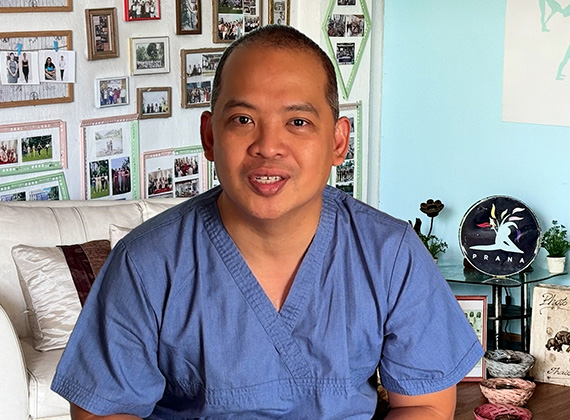
Even Doctors Trust Reiki for Healing
Hear from Dr. Jun Hismania as he shares how Reiki Energy Healing at Daily Prana has become a valuable tool not just for his own well-being, but also as a supportive practice in his professional medical journey. Discover why healthcare professionals are turning to holistic energy healing for deeper balance and healing.
Reiki Energy Healing — Frequently Asked Questions
Everything you want to know about Reiki sessions at Daily Prana, answered simply.
What is Reiki Energy Healing?
Reiki is a gentle, non-invasive healing practice that channels universal energy through the practitioner’s hands—either with light touch or hands held just above the body—to promote relaxation, balance, and natural healing.
Is Reiki safe?
Yes! Reiki is safe for all ages and backgrounds. It’s a complementary therapy, meaning it works alongside traditional medicine and does not interfere with medical treatment.
What should I expect during a session?
You’ll lie down fully clothed in a peaceful setting while the practitioner places their hands lightly on or near your body. Most people feel relaxed, calm, and sometimes experience gentle warmth or tingling.
Do I need to believe in Reiki for it to work?
No belief is required! Reiki works regardless of personal beliefs or background—just bring an open mind and willingness to relax.
How often should I have Reiki sessions?
The frequency depends on your needs and goals. Some people benefit from regular weekly or monthly sessions, while others schedule as needed for stress relief or healing support.
Can Reiki help with specific health issues?
Reiki supports the body’s natural healing process and can help reduce stress, pain, and anxiety. While it’s not a substitute for medical care, many find it helpful as a complementary therapy.